Bethlehem
Public Park Development Project – Bethlehem City
Project Overview
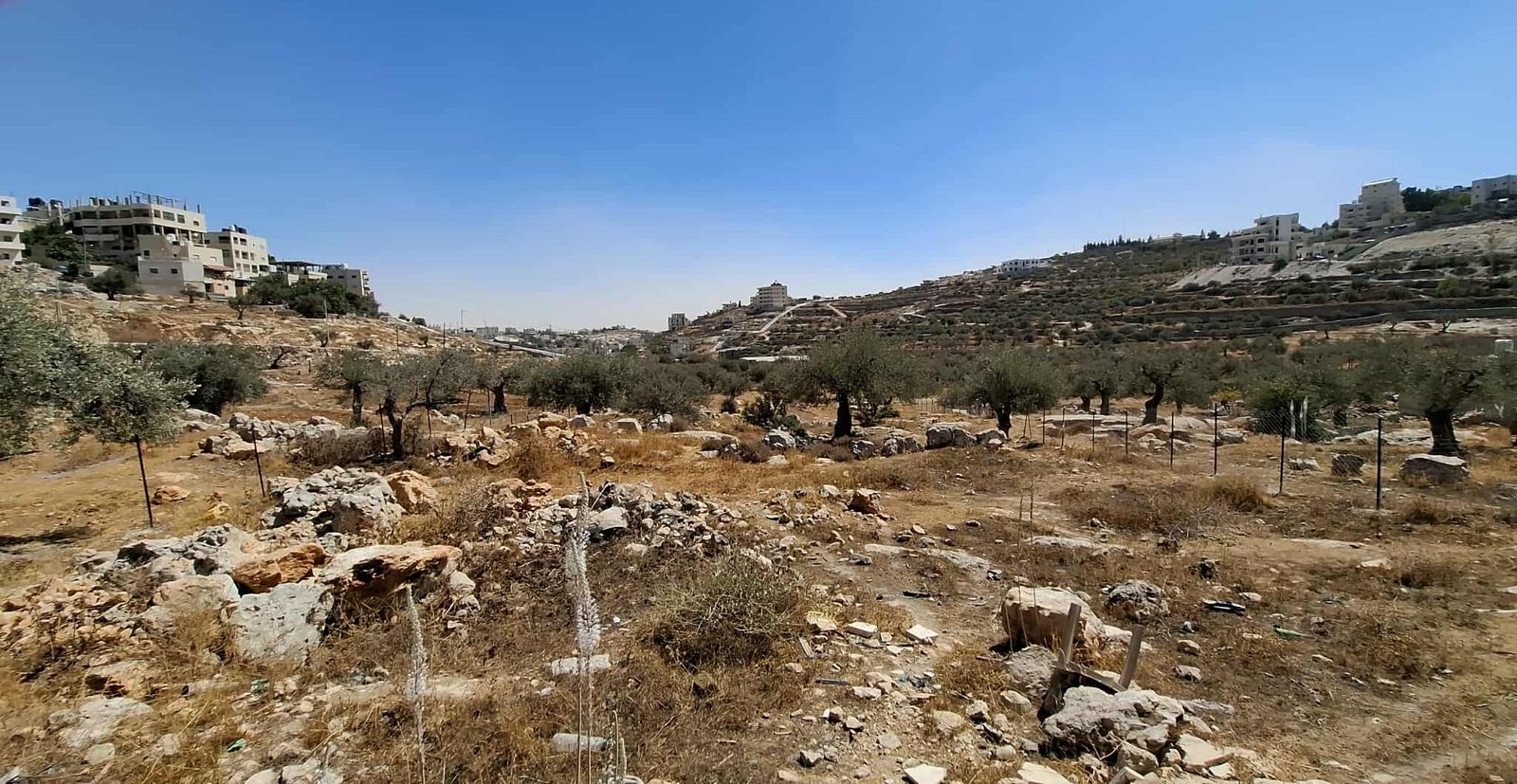
Bethlehem Municipality proposes the development of a model public park in the southern sector of the city (Batin Faqousa area) to address the critical need for increased green and recreational spaces. The city faces high population density, limited vacant land, and rising land values, making this intervention both timely and strategic. The project supports the municipality’s broader vision of a sustainable, environmentally responsive urban fabric, aligning with the 2022 Green Infrastructure Strategy for Bethlehem, developed in partnership with local and international stakeholders.
Site Information
- Location: Southern Bethlehem, Batin Faqousa area
- Plot and Block Number: Plot 75, Block 28112
- Total Area: ~1,675 m²
- Ownership: Municipal property
- Urban Significance: The site is situated within the city’s emerging urban expansion zone, adjacent to a planned public school. This proximity enables synergy between educational and recreational functions, promoting multifunctional urban spaces.
Project Objectives
The proposed park is conceived as an exemplary urban intervention that integrates ecological design, sustainability, and social inclusivity. Key objectives include:
- Expansion of public green infrastructure within the city.
- Provision of an inclusive recreational and cultural environment accessible to all social groups.
- Facilitation of social interaction and community engagement.
- Integration of sustainable technologies and materials, including solar energy systems and recycled construction materials.
- Enhancement of residents’ overall quality of life, mental well-being, and social cohesion.
Proposed Design Components
- Open-Air Amphitheater: Accommodating cultural events, educational programs, and community gatherings.
- Art Walls: Dedicated areas for public art, creative expression, and mural installations.
- Rest Areas and Cafeteria: A small café designed for women, promoting social inclusion and safety.
- Inclusive Playground: Equipped for children of all ages and abilities, ensuring universal accessibility.
- Accessible Pathways: Barrier-free circulation for people with disabilities.
- Sustainable Features: Use of solar energy, rainwater harvesting (optional), and recycled building materials to reduce the environmental footprint.
Urban and Social Justifications
- Bethlehem’s current green space provision is critically low (0.07% of total urban area; 0.2 m² per capita), among the lowest globally, necessitating targeted intervention.
- The park’s strategic location within the city’s expansion zone enhances its potential as a multifunctional public space and complements nearby educational facilities.
The project contributes to social empowerment, particularly for women, while fostering cultural, artistic, and environmental initiatives in a community-centered approach.
Expected Outcomes
- Improved urban livability, mental health, and social well-being of residents.
- Creation of a safe, integrated space for education, recreation, and community interaction.
- Enhanced environmental awareness and promotion of sustainable practices, including renewable energy adoption and recycling initiatives.
- Strengthened social cohesion and active community participation through cultural, educational, and family-oriented activities.
Alignment with Strategic Urban Planning Goals
The project exemplifies principles of contemporary urban planning, including:
- Integration of green infrastructure and public space networks.
- Promotion of inclusive, accessible, and multifunctional urban environments.
- Advancement of sustainability objectives through low-impact design strategies.
Contribution to the municipality’s long-term vision of a resilient, socially cohesive, and environmentally sustainable Bethlehem.