Hebron
Public Park Development Project – Qasr Abu Atwan Park, Hebron
Project Overview
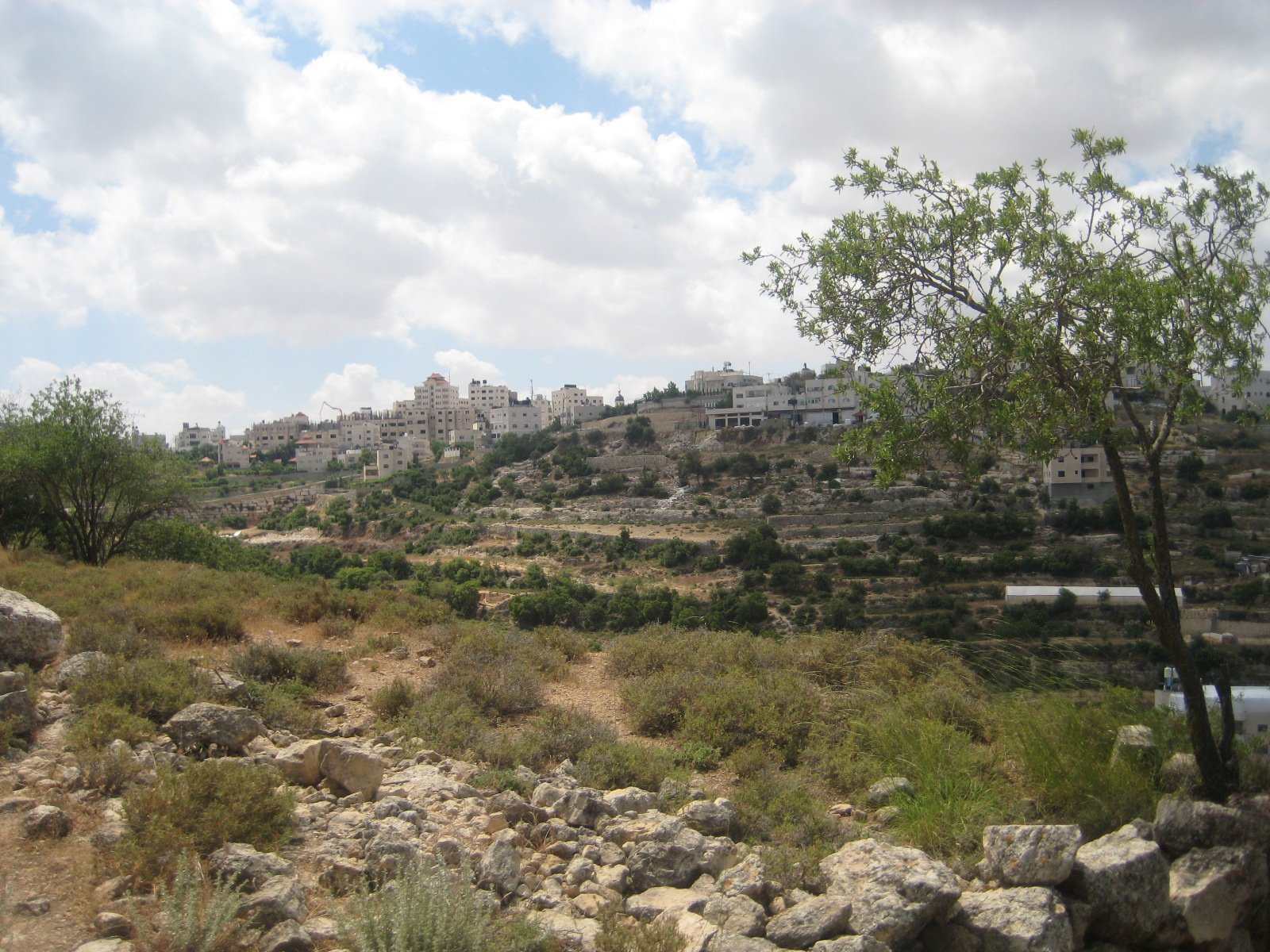
This project aims to establish a public park in the western area of Hebron City (Qasr Abu Atwan), on a 9,000 m² plot owned by Hebron Municipality. The site features native trees at risk of extinction, such as maple trees. The project responds to the urgent need to increase green spaces and improve urban quality of life, emphasizing environmental sustainability, awareness of native plant conservation, and ecological education.
Site Information
- Location: Western Hebron, Qasr Abu Atwan area
- Plot Area: 9,000 m²
- Ownership and Management: Municipal property, managed by Hebron Municipality
- Urban Significance: The site is strategically located within the city’s urban expansion area and contains rare trees, making it an ideal opportunity to create a sustainable urban oasis that contributes to local climate improvement and ecological balance.
Project Objectives
The Qasr Abu Atwan Park project aims to create a sustainable urban model that integrates green spaces, recreation, and environmental education, enhancing quality of life and supporting Hebron’s sustainable urban development strategies. Key objectives include:
- Providing a public green space that serves all social groups, including children, youth, seniors, women, and people with disabilities.
- Increasing urban green coverage to mitigate the impacts of urban sprawl and environmental pollution.
- Establishing a botanical garden model to raise environmental awareness and provide research resources on native plants.
- Improving thermal comfort and reducing the urban heat island effect.
- Supporting the city’s environmental strategy within the 2023–2026 strategic and resilience plan
Proposed Design Components
- Family seating areas.
- Children’s playground.
- Youth recreation zone.
- Botanical archive and research building for native plant documentation.
- Walking and jogging paths.
- Parking facilities.
- Administrative and service facilities.
- Visitor cafeteria.
Urban and Social Justifications
- Significant reduction in green spaces due to urban sprawl and high population density (3,142 persons/km²), creating pressure on infrastructure and reducing quality of life.
- Provision of an urban green space to mitigate environmental pollution and improve air quality.
- Conservation of endangered native plants and raising public awareness about ecological protection.
- The project is included in the city’s strategic plan to develop resilient infrastructure and enhance urban sustainability.
Expected Outcomes
- Creation of a multifunctional urban space for recreation, education, and community interaction.
- Expansion of green spaces and mitigation of thermal and air pollution impacts.
- Enhanced environmental awareness and promotion of native plant conservation.
- Support for scientific research and ecological documentation through the botanical archive.
- Improved quality of life for local residents and visitors, with enhanced safety and comfort in public spaces.